AGRP Logo

AGRP

Asteraceae Genomic Research Platform

Gene Search

Example:
Example:

Transposable elements

  Transposable elements (TEs): also known as jumping genes, are DNA sequences that can change their position in a cell. There are two types of transposons: type I transposons (Retrotransposon) and type II transposons (DNA transposons).

  Type I transposons: DNA is used as a template and is transcribed into mRNA, which is then reverse transcribed into cDNA and inserted into a new position in the genome by the action of integrase. Type II transposon: The mechanism of transposition of type II transposon is called "cut-and-paste". The transposase cuts the TE from its original position in the genome and pastes it into other regions of the genome. The gaps formed by the cut are repaired by DNA.
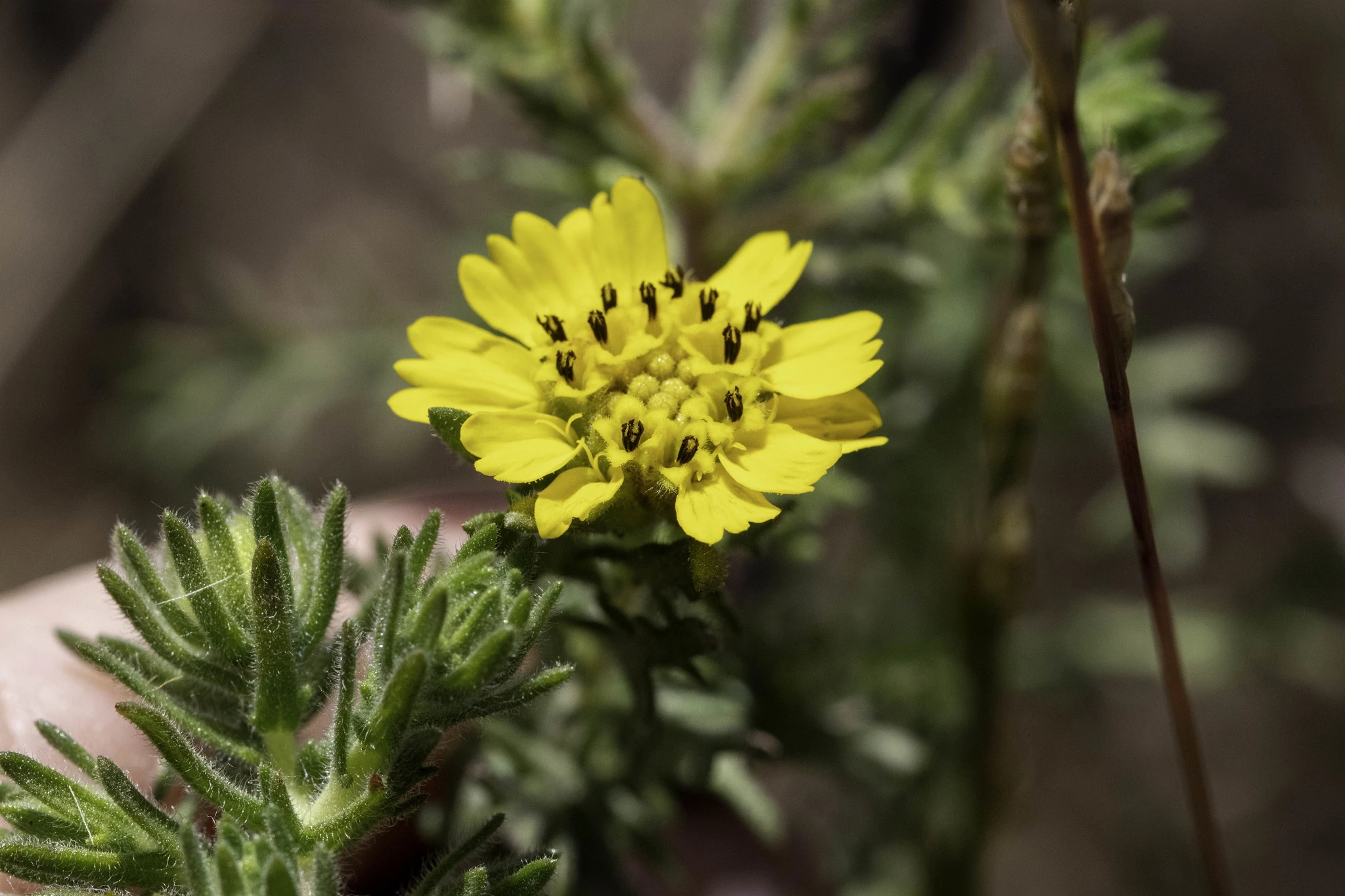
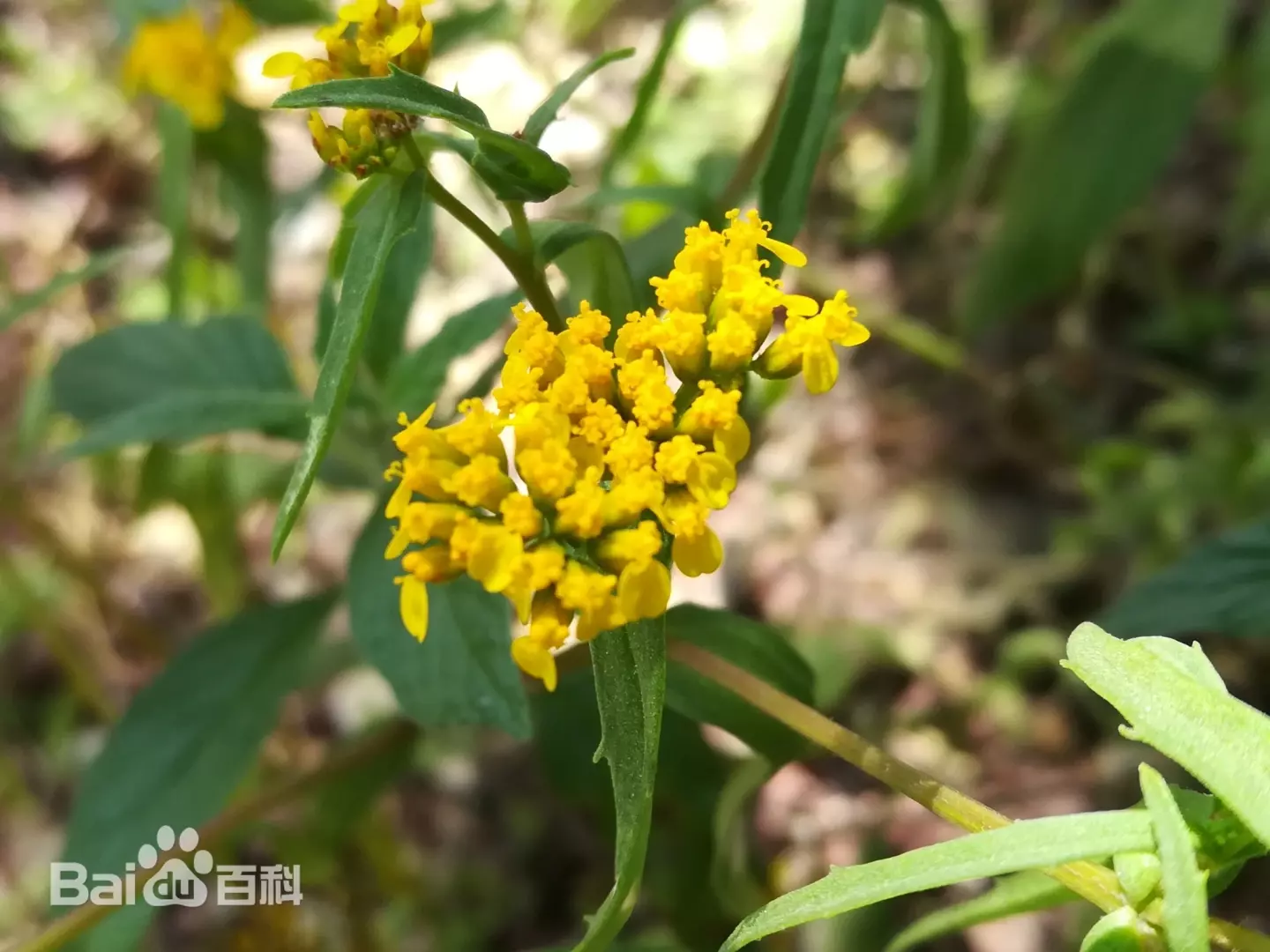
Deinandra increscens

Homologues
Total : 2,857,503

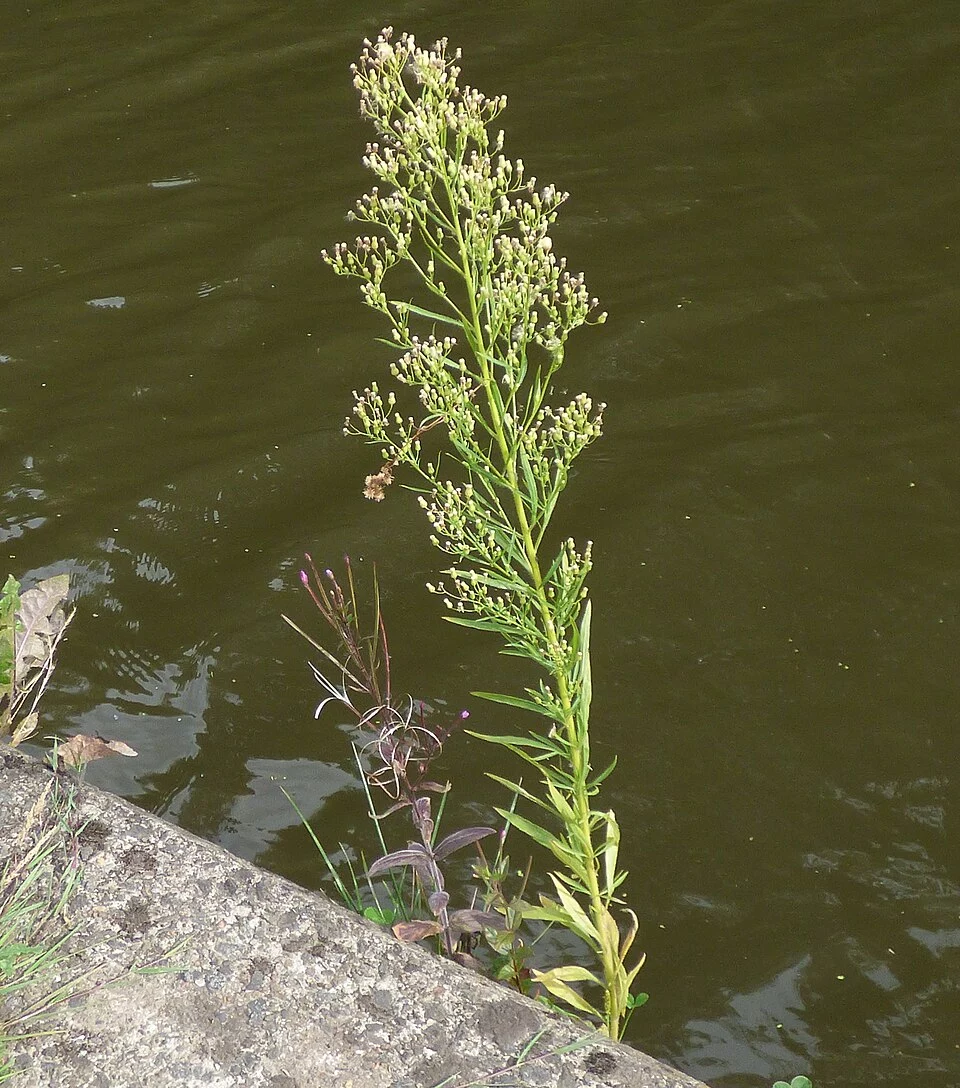
Erigeron canadensis

Homologues
Total : 823,693

Erigeron breviscapus

Homologues
Total : 2,545,650

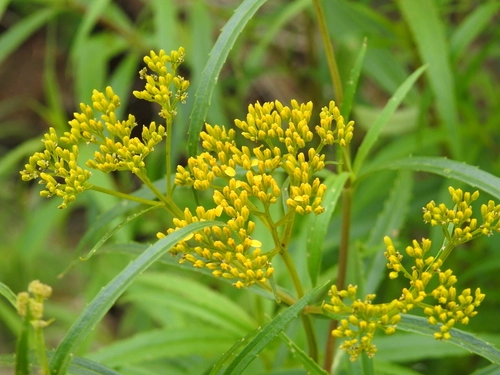
Flaveria bidentis

Homologues
Total : 1,742,217

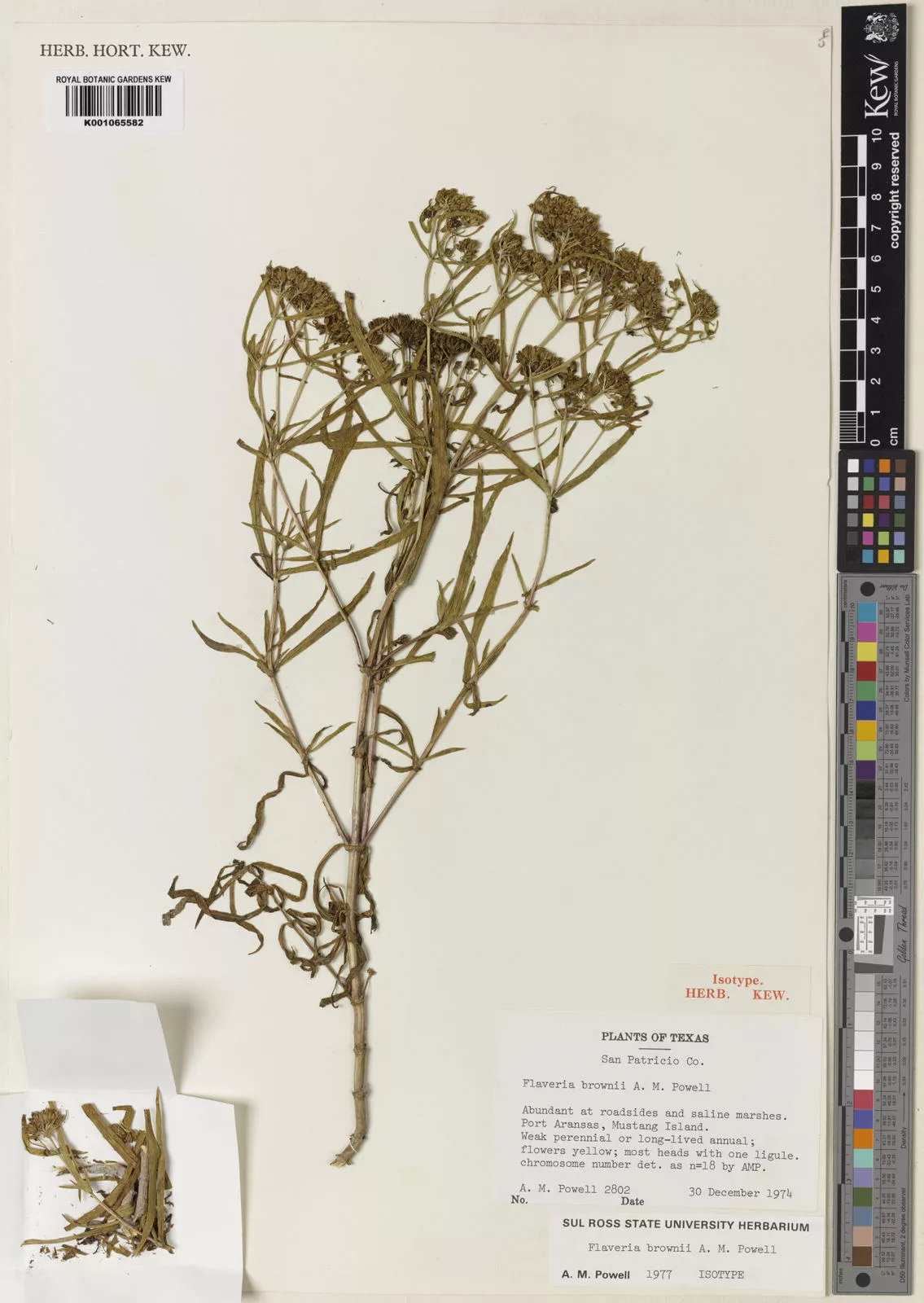
Flaveria brownii

Homologues
Total : 2,028,764

Flaveria floridana

Homologues
Total : 3,567,554

Flaveria linearis

Homologues
Total : 2,363,709

Flaveria ramosissima

Homologues
Total : 1,407,438

Flaveria robusta

Homologues
Total : 1,002,510

Flaveria sonorensis

Homologues
Total : 1,791,747

Flaveria trinervia

Homologues
Total : 1,843,111

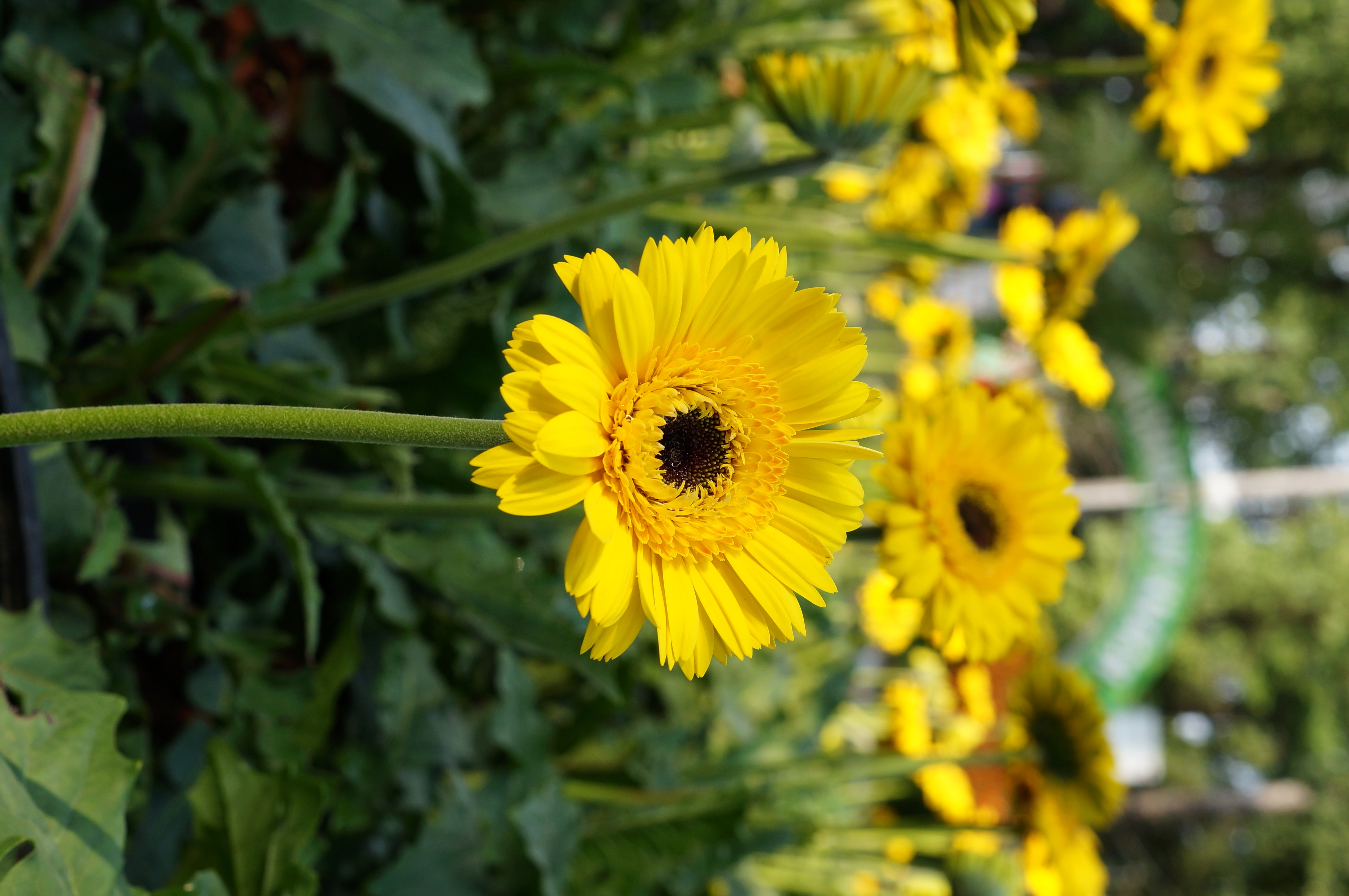
Gerbera hybrida

Homologues
Total : 4,218,002

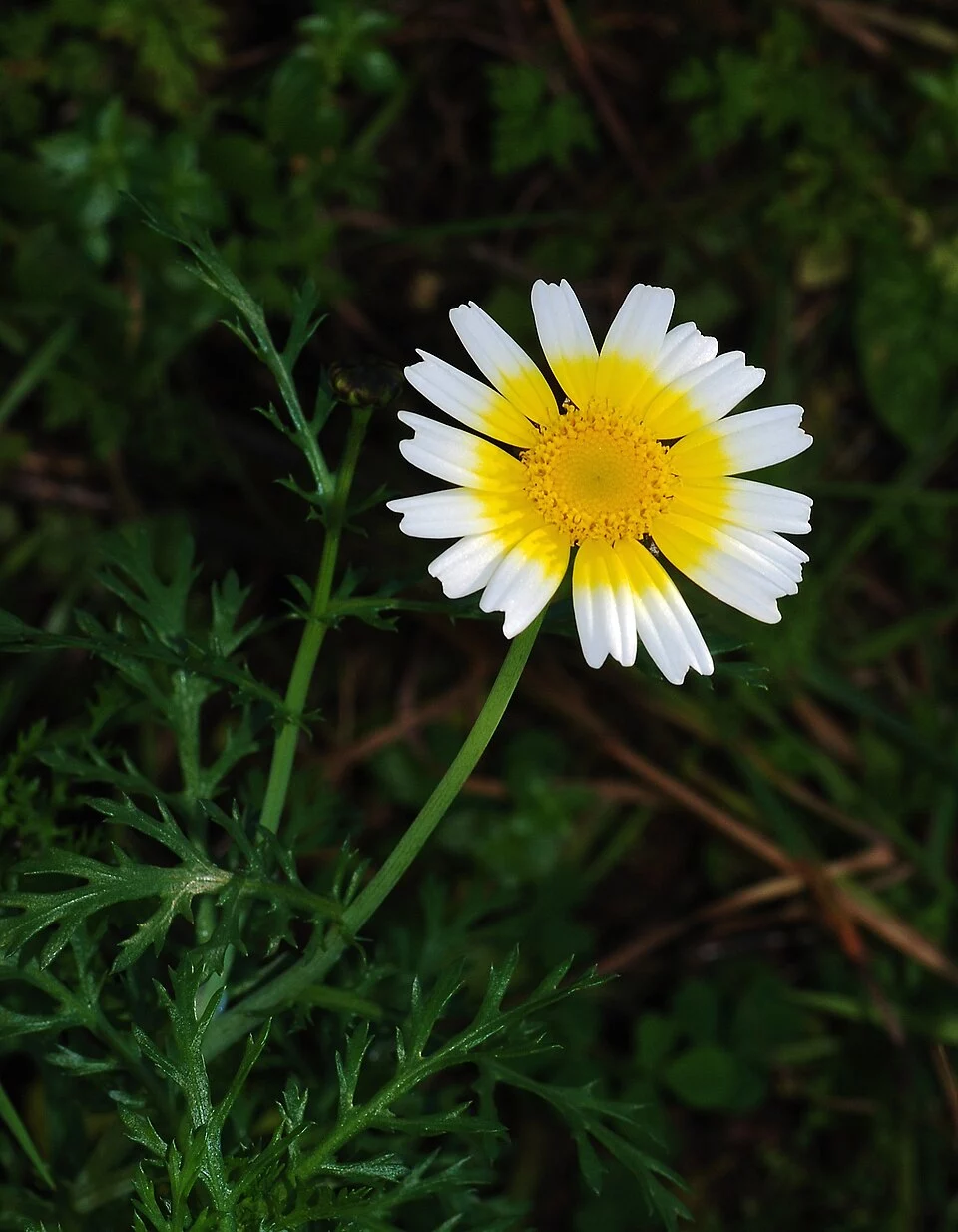
Glebionis coronaria

Homologues
Total : 7,088,636

Helianthus annuus

Homologues
Total : 4,869,281

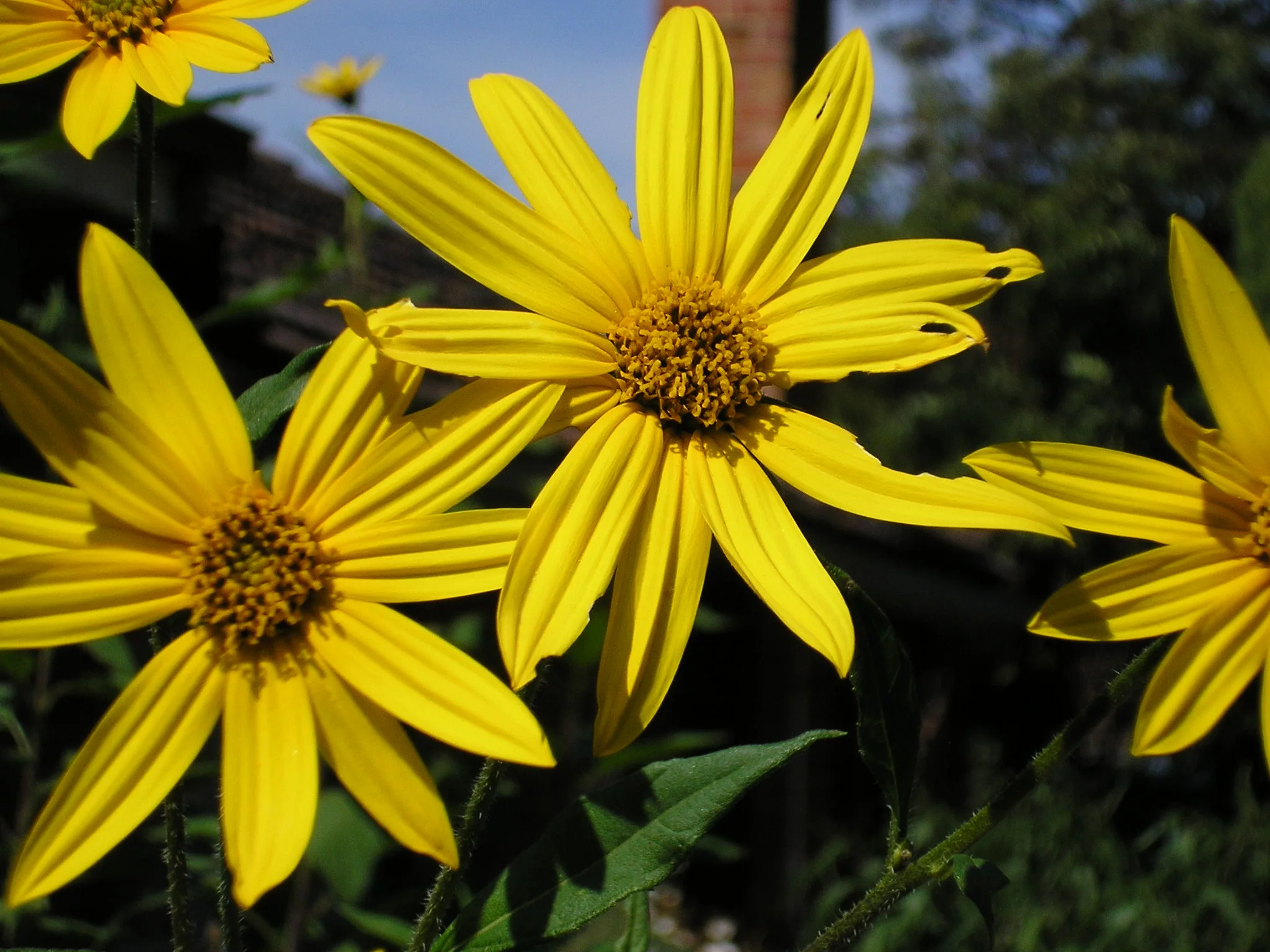
Helianthus tuberosus

Homologues
Total : 18,372,605

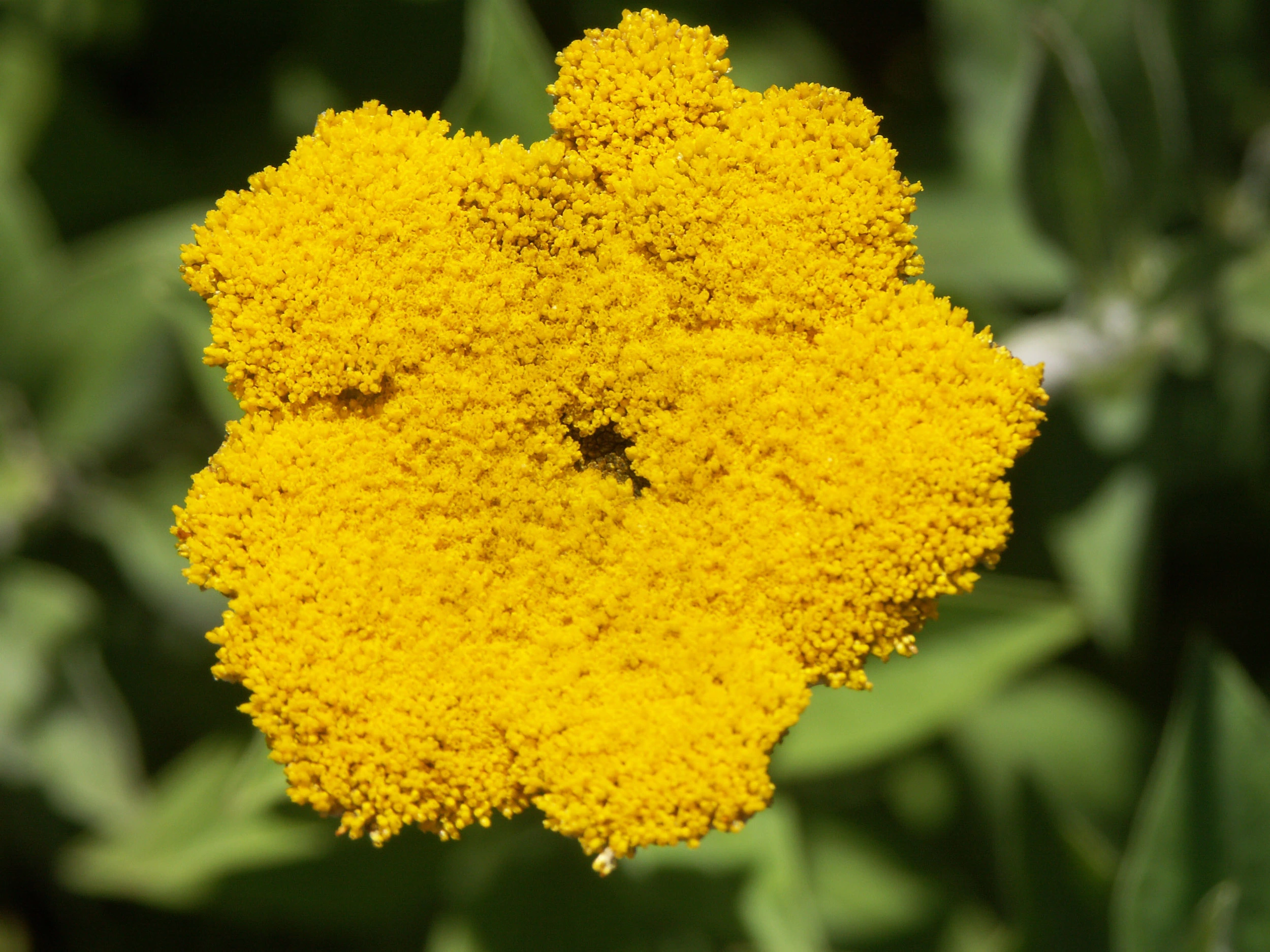
Helichrysum umbraculigerum

Homologues
Total : 1,981,989

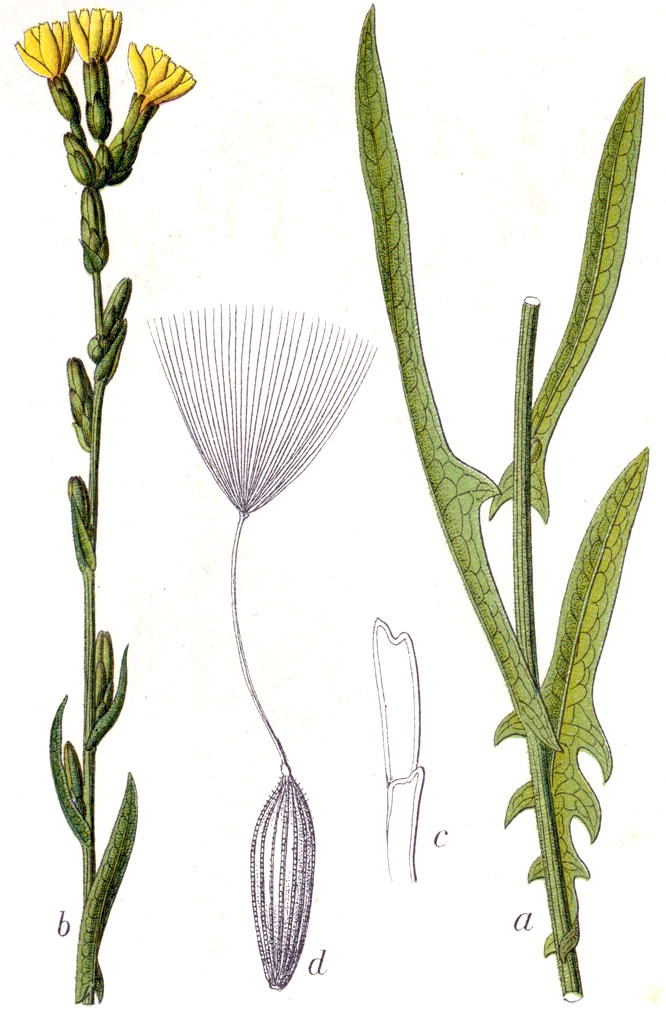
Lactuca saligna

Homologues
Total : 3,318,550

Lactuca sativa

Homologues
Total : 4,363,994

Logfia minima

Homologues
Total : 888,027

Mikania micrantha

Homologues
Total : 3,362,056

Pulicaria dysenterica

Homologues
Total : 1,499,879