AGRP Logo

AGRP

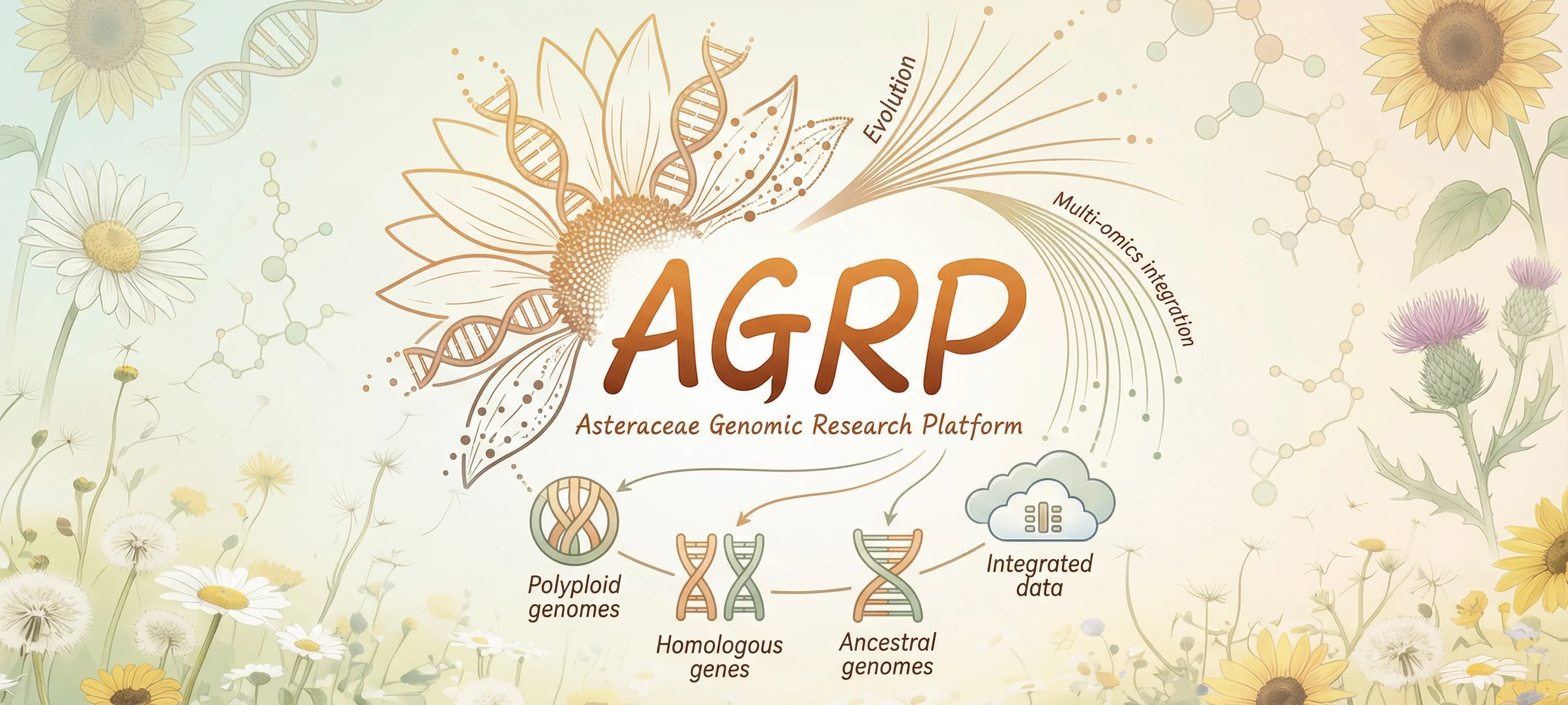
Asteraceae Genomic Research Platform

Welcome to AGRP!

Asteraceae is the largest angiosperm family, with more than 1,700 genera and 32,000 species. Asteraceae have a strong adaptability to the environment and are widely distributed in almost all parts of the world. It contains a large number of edible, medicinal and ornamental plants, which are of great value to human life.

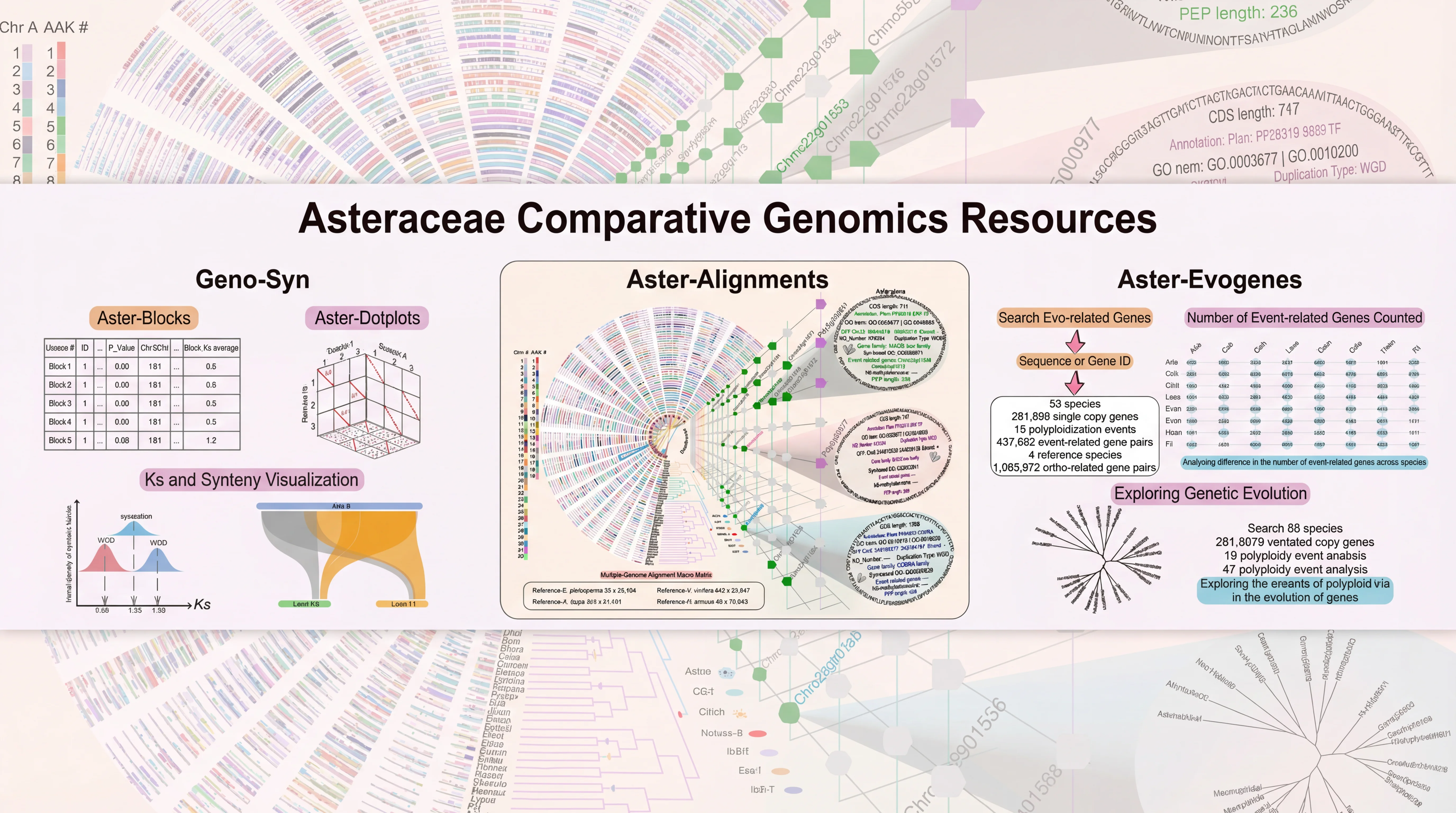
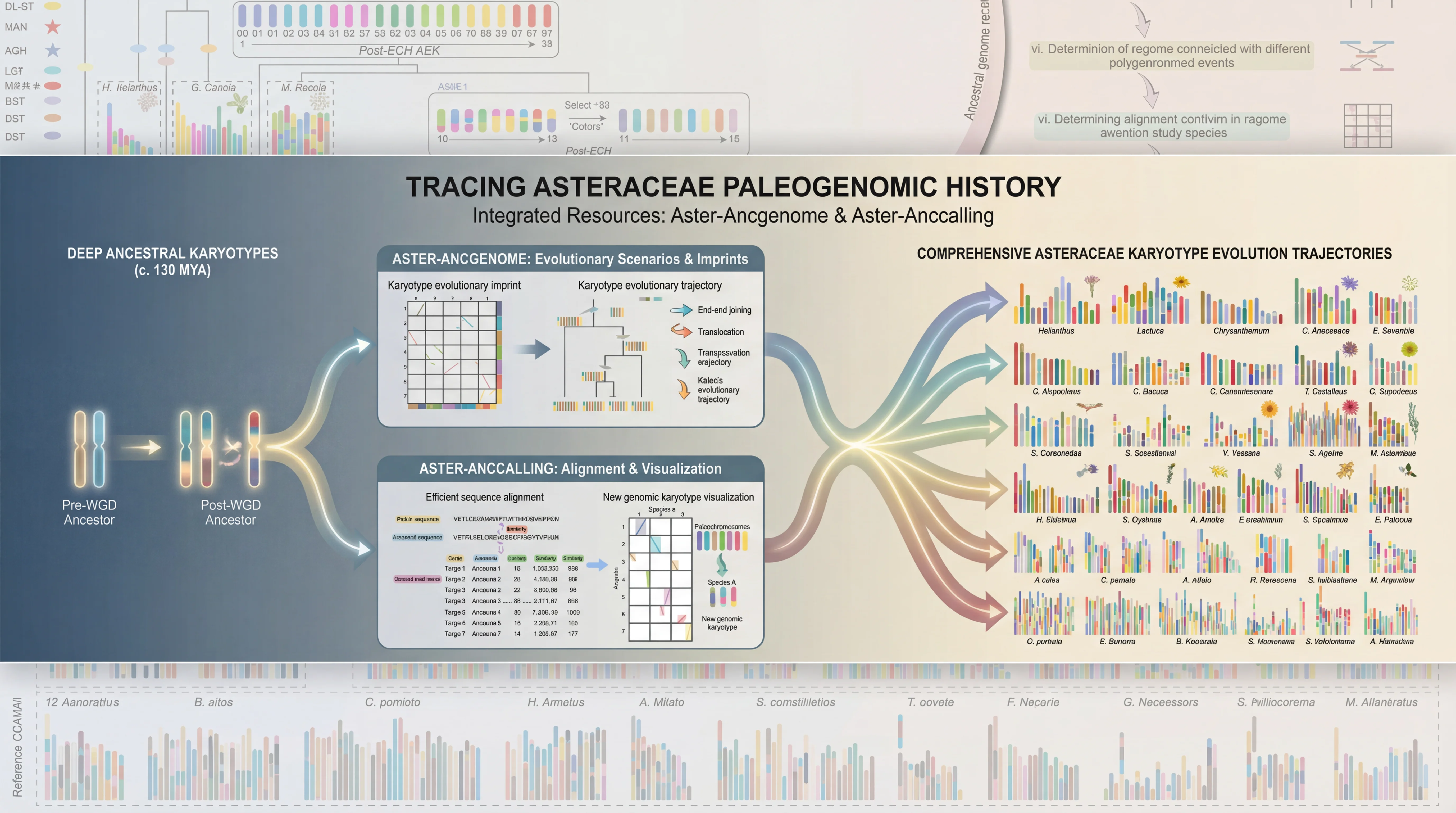
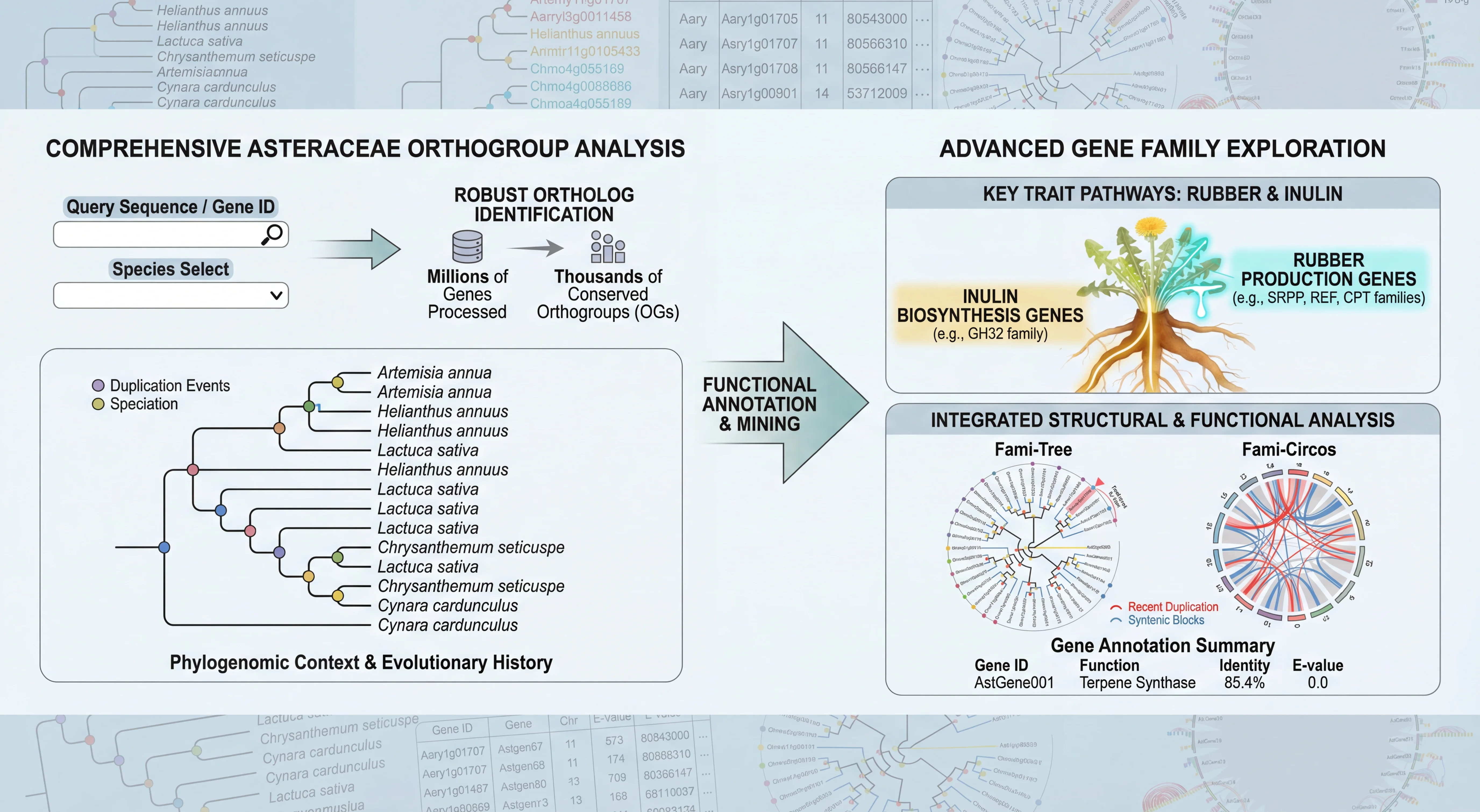
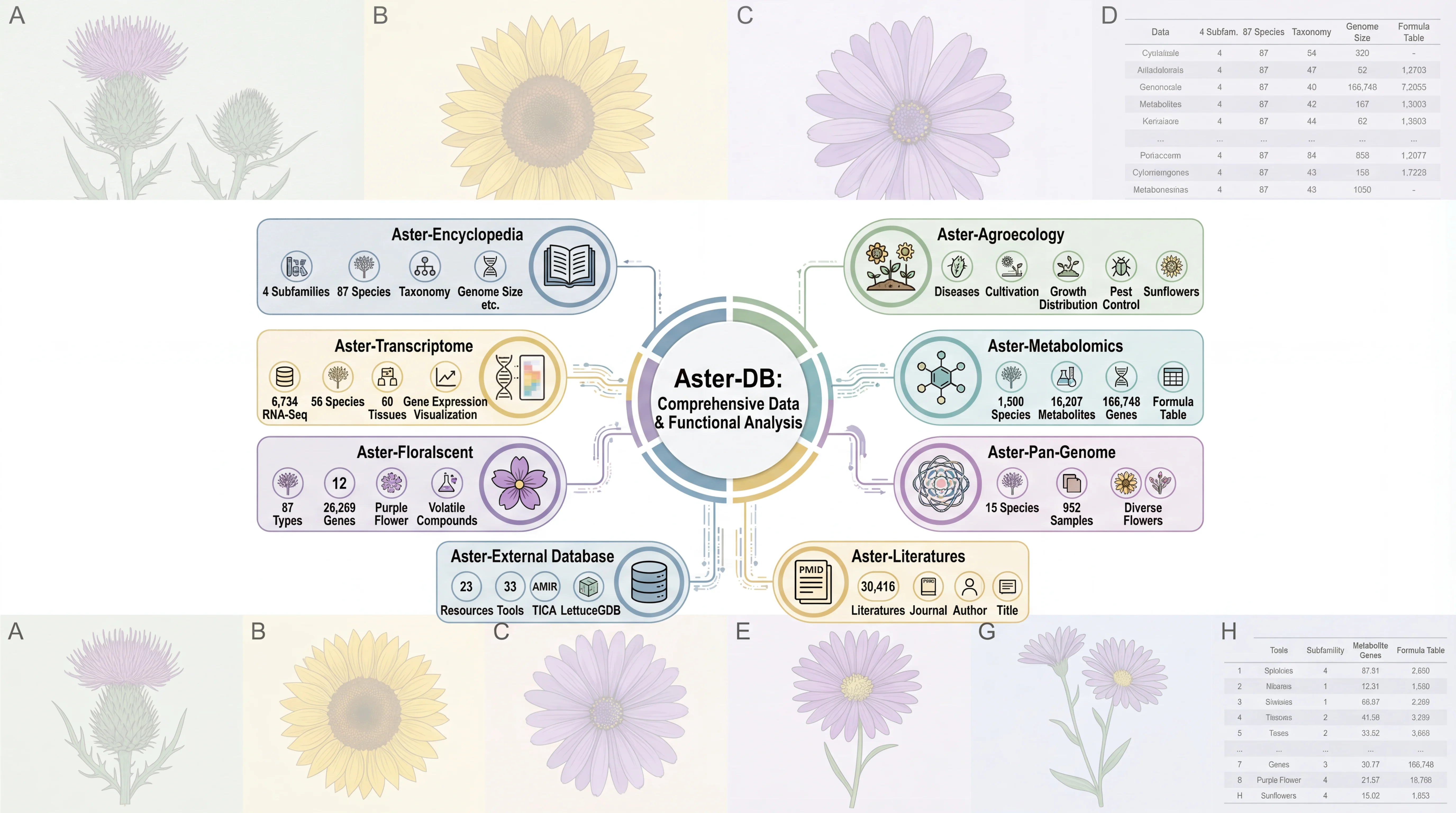
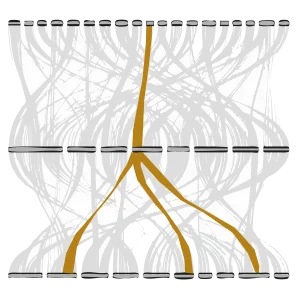
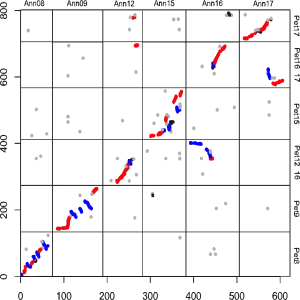
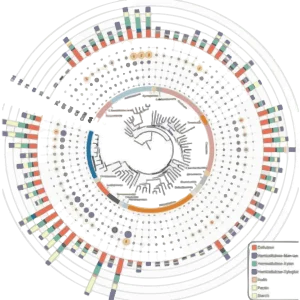
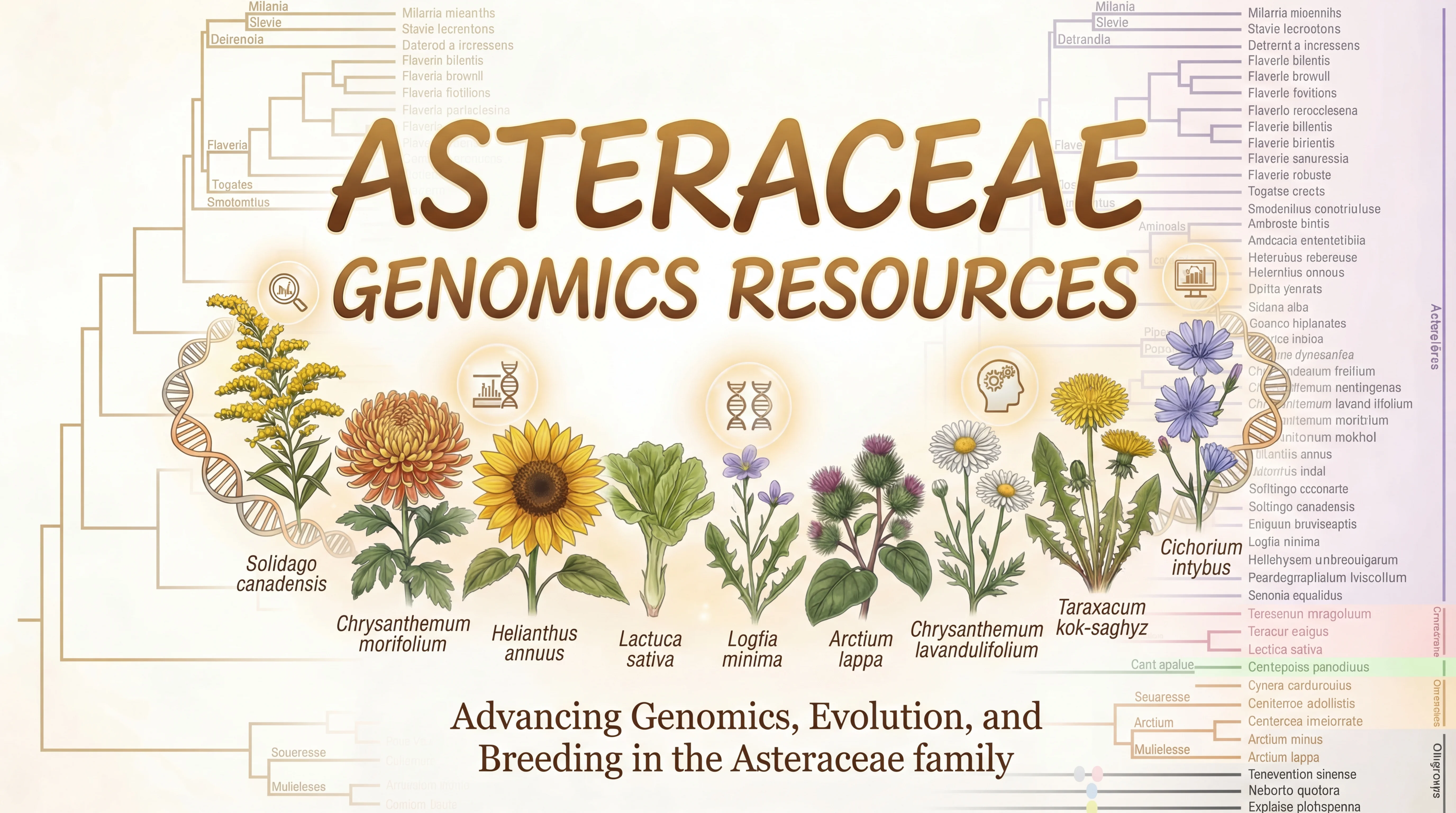
AGRP (Asteraceae Genomic Research Platform) integrates 156 genomes, including 149 published genomes from the Asteraceae family, the newly sequenced Solidago canadensis genome, and 6 outgroup species. This platform provides annotation details for 3,137,213 protein-coding genes in Asteraceae genomes, along with resources for gene duplication types and synteny analysis; 180 trait-related gene families, including specialized inulin-related genes and rubber synthesis-related genes; the largest ancestral genome resource in Asteraceae, encompassing genomic data from 29 ancestral nodes; the most comprehensive collection of 6,734 transcriptomes in Asteraceae, along with 17,541 metabolite resources linked to 257,590 candidate genes; the first specialized floral scent metabolomics resource in Asteraceae, and encyclopedic resources of Asteraceae species. Interfaces for gene families and related analyses incorporate tools like Ortho-Tree, Fami-Tree, and Fami-Circos to support evolutionary gene studies. Additionally, the platform integrates 62 web-based analytical tools (38 developed in-house) and 74 downloadable tools, facilitating annotation, evolutionary analysis, and functional research for newly sequenced Asteraceae genomes. Beyond providing intuitive query, analysis, and visualization tools, it features a data submission portal, statistical charts, and user manuals to ensure accessibility for all users. AGRP simultaneously establishes a distinctive AGRP-Switch interface to explore various omics data resources within the AGRP database through an integrated approach, enabling users to perform one-stop searches.
Gene Search

Example:
Example:

Asteraceae Genome Hub

Comprehensive list of 156 published genomes and annotations


No. Genus Speciese Genome Size Chr. Assembly Level Data Source Release Date
Platform Update Log
2020
2020.03
Mar 01, 2020
Project AGRP initiated at NCST Wang Lab.
2020.12
Dec 05, 2020
Platform Alpha version released for internal testing.
2021
2021.03
Mar 22, 2021
First batch of Asteraceae genomes (Lactuca & Helianthus) uploaded.
2021.10
Oct 10, 2021
Basic BLAST server online for homology search.
2022
2022.05
May 15, 2022
Released Aster-Orthologous search for comparative genomics.
2022.11
Nov 30, 2022
Added Transposable Elements (TE) annotation browser.
2023
2023.02
Feb 18, 2023
AGRP Beta launched with enhanced gene family identification.
2023.05
May 15, 2023
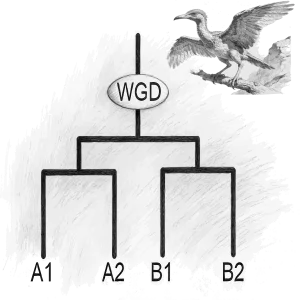
Integrated WGD (Whole Genome Duplication) analysis pipeline.
2023.09
Sep 12, 2023
Published tools for Heat Shock Response and ancestral genome reshuffling analysis.
2024
2024.01
Jan 20, 2024
Added Floral Scent volatile compound database for ornamental species.
2024.06
Jun 05, 2024
Major UI overhaul and JBrowse 2 integration for smoother visualization.
2024.11
Nov 10, 2024
Optimized Synteny Analysis tools for faster block detection.
2025
2025.04
Apr 20, 2025
Genomics update: Total number of hosted genomes exceeded 160.
2025.08
Aug 15, 2025
Database expansion: Added m6A modification sites for major crops like H. annuus.
2025.12
Dec 01, 2025
NewMulti-Omics module released, integrating metabolome data for 15 species.
2026
2026.01
Jan 10, 2026
HotAdded SequenceServer for online BLAST alignment.
📝 How to Cite

If you use AGRP in your research, please cite the following papers:

  • Kong X M, Zhang Y, Wang Z Y, et al. Two-step model of paleohexaploidy, ancestral genome reshuffling and plasticity of heat shock response in Asteraceae. Horticulture Research, 2023, 10(6): uhad073.
  • An integrated platform facilitating comparative and functional genomic discoveries in the Asteraceae. (2026). [unpublished].
📚 Literature Citing Our Work
  • Li X, Zhang L, Wei X, et al. (2024). Polyploidization: a biological force that enhances stress resistance. International Journal of Molecular Sciences, 25(4): 1957.
  • Liu Z, Shen S, Li C, et al. (2025). SoIR: a comprehensive Solanaceae information resource for comparative and functional genomic study. Nucleic Acids Research, 53(D1): D1623-D1632.
  • Hu Y, Wang J, Liu L, et al. (2025). Evolutionary history of magnoliid genomes and benzylisoquinoline alkaloid biosynthesis. Nature Communications, 16(1): 4039.
  • Hou Z, Yang S, He W, et al. (2024). The haplotype‐resolved genome of diploid Chrysanthemum indicum unveils new acacetin synthases genes and their evolutionary history. The Plant Journal, 119(3): 1336-1352.
  • Bi C, Sun N, Hou Z, et al. (2025). A gap-free reference genome of Populus deltoides provides insights into karyotype evolution of Salicaceae. BMC Biology, 23(1): 201.
  • Zhang C, Huang C, Zhu K, et al. (2025). Functional Conservation and Redundancy of Duplicated AGAMOUS Homologs in Regulating Floral Organ Development of Tagetes erecta. Agronomy, 15(10): 2379.
  • Chen B Z, Li D W, Luo K Y, et al. (2024). Chromosome-level assembly of Lindenbergia philippensis and comparative genomic analyses shed light on genome evolution in Lamiales. Frontiers in Plant Science, 15: 1444234.
  • Chen B Z, Yang Z J, Yang L, et al. (2024). Chromosome-scale genome assembly of Codonopsis pilosula and comparative genomic analyses shed light on its genome evolution. Frontiers in Plant Science, 15: 1469375.
  • Liao H, Zhong L, He Y, et al. (2025). Construction of Ancestral Chromosomes in Gymnosperms and the Application in Comparative Genomic Analysis. Plants, 14(15): 2361.
  • He T, Yi G, Li J, et al. (2023). Dietary supplementation of tannic acid promotes performance of beef cattle via alleviating liver lipid peroxidation and improving glucose metabolism and rumen fermentation. Antioxidants, 12(9): 1774.
  • Ye H, Liu H, Han M, et al. (2024). The genome-wide identification, characterization, and expression profiles of the NADPH oxidase (NOX) gene family under drought and salt stress in Opisthopappus taihangensis (Asteraceae). Agronomy, 14(4): 653.
  • Yu Z, Lei T, Yi X, et al. (2025). LGRPv2: A high‐value platform for the advancement of Fabaceae genomics. Plant Biotechnology Journal.
  • Xu L, Miao T, Cui Z, et al. (2026). Synteny‐based comparative pan‐genome reveals a male‐specific FT gene underlying flowering time dimorphism in kiwifruit. The Plant Journal, 125(1): e70664.
  • Zhao G, Jiang F, Hu W, et al. (2025). Improved Longan Genome Assembly Reveals Insights Into Flowering Mechanisms. Plant Biotechnology Journal.
  • Wang J, Ding Y, Li Y, et al. (2025). Allopolyploidization events and immense paleogenome reshuffling underlying the diversification of plants and secondary metabolites in Oleaceae. Journal of Systematics and Evolution, 63(2): 208-228.
  • Pei Y, Zhao X, Du W, et al. (2025). Synthetic allopolyploidy unveils hybridization‐driven transcriptional reprogramming underlying thermal adaptation in Cucumis. The Plant Journal, 124(1): e70507.
  • Yu Z, Li Y, Song T, et al. (2025). OGRP: A comprehensive bioinformatics platform for the efficient empowerment of Oleaceae genomics research. Horticultural Plant Journal, 11(3): 1308-1325.
  • Shen S, Meng Z, Garcia P, et al. (2025). Ancestral chromosome karyotype construction and large-scale analysis of CAM biosynthesis genes in ice plant and representative plants. Vegetable Research, 5(1).
  • Zeng H, Jiang Z, Li H, et al. (2025). Identification of HSF genes related to salt stress response and functional analysis of BpHSF16 in Bergenia purpurascens. Genetic Resources and Crop Evolution, 72(8): 10513-10527.
  • 靳佳瑞, 刘玉萍, 苏旭, 等. (2025). 基于流式细胞术和基因组 Survey 的黄缨菊基因组大小及特征分析. 植物学报: 1.
  • Bañales I, Mehrem S L, Almeida Landman S, et al. (2025). A lettuce receptor-like kinase recognizes the highly conserved heptapeptide motif within microbial NEP1-like proteins. bioRxiv: 2025.11. 10.687460.
  • Feng T, McKibben M, Lovell J, et al. (2025). Phylogenomic synteny analysis tracks conserved ancient polyploid-derived triplicated genomic blocks across Asteraceae genomes. bioRxiv: 2025.01. 08.631874.
  • Moore-Pollard E R, Ellestad P A, Cliver B R, et al. (2025). Gene duplication dynamics and regulatory evolution shape the diversification of Asteraceae. bioRxiv: 2025.10. 29.685401.
  • JIN J R, LIU Y P, Su X, et al. (2025). Genome Size and Characteristics Analysis of Xanthopappus subacaulis Based on Flow Cytometry and Genome Survey. Chinese Bulletin of Botany: 1-0.
  • Golubova D. (2025). Identification and biosynthesis of bioactive triterpenes from Calendula officinalis. University of East Anglia.